
The Complete Guide to Home Insulation: Everything Arizona & Utah Homeowners Should Know
Updated: Aug 12
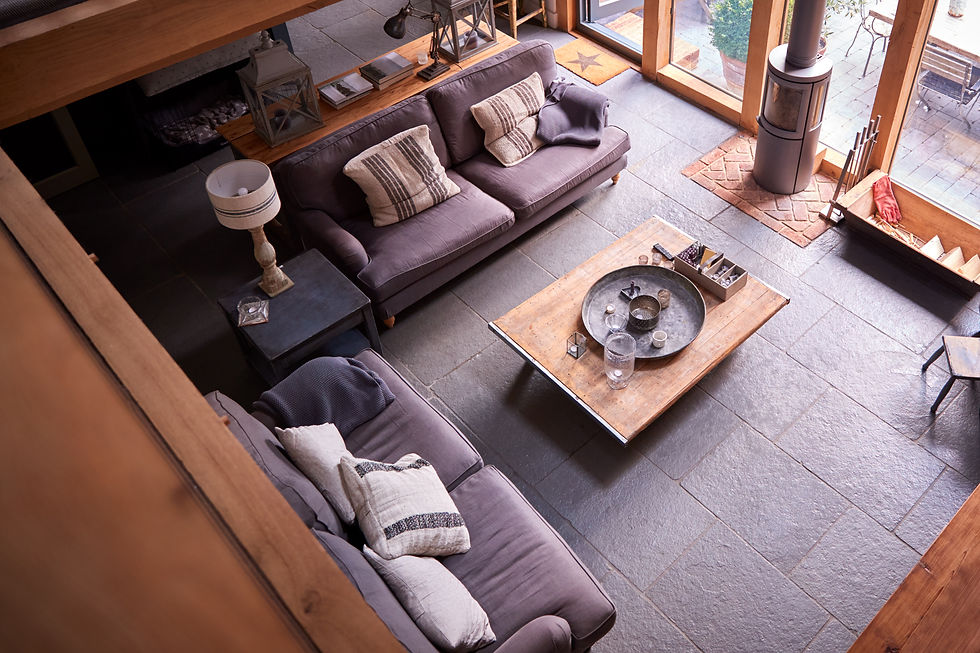
Home insulation isn't something most homeowners think about every day—but it plays a major role in your home's comfort, energy efficiency, indoor air quality, and monthly utility bills.
Whether you're building a new home, upgrading an older house, or simply wondering why one room always feels hotter or colder than the rest, understanding how insulation works can help you make smarter decisions about your home.
Here in Arizona and Utah, insulation is especially important. While many people associate insulation with keeping homes warm during winter, it works just as hard during our long, hot summers by slowing heat transfer into your home. In Northern Arizona's White Mountains, homes experience freezing winter nights and warm summer afternoons. In Southern Utah communities like St. George and Hurricane, intense summer heat can put your insulation—and your air conditioner—to the test.
At Fox Insulation, we've helped thousands of homeowners, builders, and contractors throughout Arizona and Utah improve comfort and energy efficiency with professionally installed insulation systems. This guide answers the most common questions we hear and explains how to choose the right insulation for your home.
Table of Contents
What Does Home Insulation Actually Do?
Why Insulation Matters in Arizona & Utah
How Heat Moves Through Your Home
Understanding R-Value
The Most Common Types of Home Insulation
Where Insulation Should Be Installed
Signs Your Home May Need More Insulation
New Construction vs Existing Homes
Can You Add Insulation Over Existing Insulation?
DIY or Hire a Professional?
Frequently Asked Questions
Ready to Improve Your Home?
What Does Home Insulation Actually Do?
Many people think insulation simply "keeps heat in." In reality, insulation slows the movement of heat. Heat naturally moves toward cooler areas.
During summer:
Outdoor heat tries to move inside your home.
During winter:
Indoor heat tries to escape outdoors.
Insulation creates resistance to that heat flow, helping your HVAC system maintain comfortable indoor temperatures without working overtime.
Good insulation can help:
Reduce heating and cooling costs
Improve year-round comfort
Reduce hot and cold spots
Make your HVAC system more efficient
Reduce outside noise
Improve indoor air quality when paired with proper air sealing
Think of insulation as a thermal blanket wrapped around your home.
Why Proper Insulation Is Especially Important in Arizona & Utah
Not every climate presents the same insulation challenges. Homes throughout Arizona and Utah experience unique weather conditions that make proper insulation especially valuable.
Northern Arizona
Communities like Show Low, Taylor, Snowflake, Pinetop-Lakeside, and Heber experience:
Cold winters
Snow
Freezing overnight temperatures
Warm summer afternoons
Large day-to-night temperature swings
These fluctuations mean your insulation works almost every day of the year.
Southern Utah
Homes around Hurricane and St. George experience:
Extended summer heat
Intense sun exposure
High attic temperatures
Heavy air conditioner usage
A poorly insulated attic can reach temperatures well above 140°F during the summer, forcing your HVAC system to work much harder to keep your home comfortable.
Quality attic insulation helps slow this heat transfer before it enters your living space.
How Heat Moves Through Your Home
Heat moves in three primary ways:
Conduction
Heat moves through solid materials like wood, drywall, or roof decking.
Convection
Warm air rises while cooler air sinks.
Without proper insulation and air sealing, conditioned air can escape through gaps around your attic, walls, windows, and doors.
Radiation
The Arizona and Utah sun radiates enormous amounts of heat onto your roof.
Your attic often receives the greatest amount of radiant heat, making attic insulation one of the most valuable upgrades for many homeowners.
Understanding R-Value
One of the most common insulation terms you'll hear is R-value. R-value measures how well insulation resists heat flow. The higher the R-value, the greater the insulating performance. However, the highest R-value isn't always the best choice.
The right insulation depends on factors including:
Climate
Building design
Installation quality
Air sealing
Moisture control
Professional installation often has just as much impact as the insulation product itself.
The Most Common Types of Home Insulation
Spray Foam Insulation
Spray foam expands after application, filling cracks and air leaks while providing excellent insulating performance.
Benefits include:
Exceptional air sealing
High energy efficiency
Moisture resistance
Long lifespan
Helps reduce drafts
Ideal for:
New construction
Metal buildings
Pole barns
Shops
Rim joists
Crawl spaces
Difficult-to-seal areas
Related Service: Spray Foam Insulation
Blown-In Insulation
Loose-fill fiberglass or cellulose insulation is installed using specialized blowing equipment.
Benefits:
Excellent attic coverage
Fills irregular spaces
Great for retrofits
Fast installation
Cost-effective
Ideal for:
Existing homes
Attic upgrades
Improving energy efficiency
Related Service: Blown-In Insulation
Batt Insulation
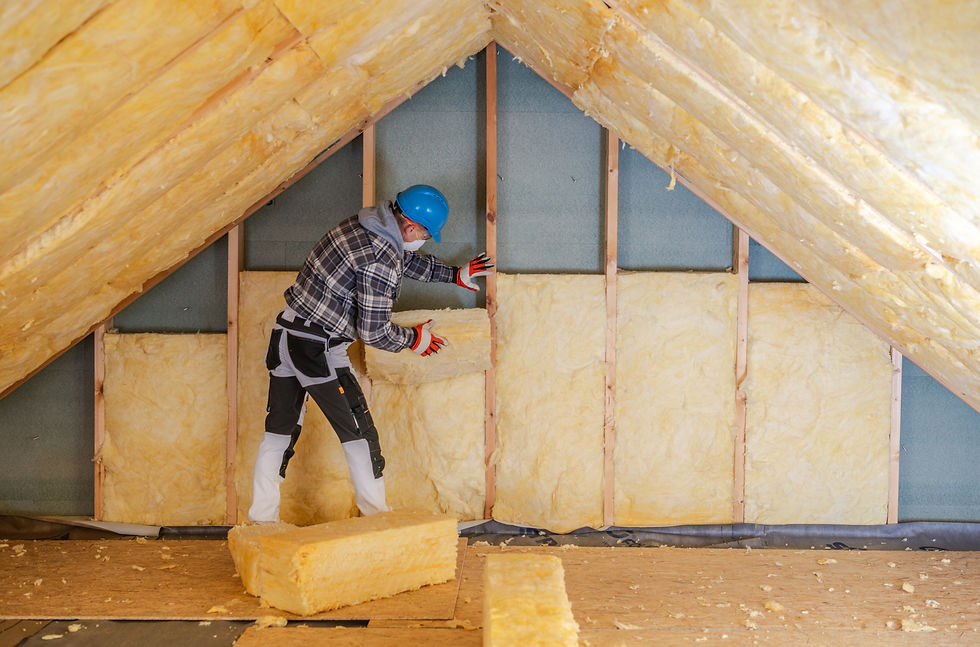
Fiberglass batts are commonly installed between framing members during construction.
Benefits:
Affordable
Reliable
Easy to install in open framing
Great for walls and ceilings
Best suited for:
New construction
Remodels
Open wall cavities
Related Service: Batt Insulation
Where Should a Home Be Insulated?
Different parts of your home serve different purposes, and each benefits from proper insulation.
Attics
The attic is often the biggest source of energy loss.
Exterior Walls
Help maintain indoor temperatures year-round.
Crawl Spaces
Can reduce drafts and improve comfort.
Garages
Especially important when attached to conditioned living spaces.
Pole Barns & Shops
Insulation helps regulate temperatures, reduce condensation, and improve year-round usability.
Signs Your Home May Need More Insulation
Many homeowners don't realize their insulation is underperforming until comfort issues become obvious.
Common signs include:
High energy bills
Uneven temperatures between rooms
Hot upstairs during summer
Cold floors in winter
HVAC running constantly
Drafts
Rooms that never feel comfortable
Ice dams (in colder climates)
Excessive dust entering the home
Older insulation that has settled or deteriorated
If several of these sound familiar, it may be time for a professional insulation assessment.
New Construction vs. Existing Homes
New Construction
Building a new home offers the opportunity to install insulation before drywall goes up, allowing for optimal coverage and easier installation.
Existing Homes
Many existing homes can be upgraded without major renovations. Adding blown-in attic insulation or improving insulation in accessible areas can significantly improve comfort and efficiency.
No matter the age of your home, the right insulation strategy depends on your home's construction, current insulation levels, and your long-term goals.
Can You Add New Insulation Over Existing Insulation?
Sometimes, yes.
If the existing insulation is dry, clean, and in good condition, additional insulation can often be added to increase thermal performance.
However, insulation should typically be removed first if it has:
Water damage
Mold
Pest contamination
Smoke damage
Significant settling
Compression
Fox Insulation also offers insulation vacuum rentals and professional insulation removal services to help prepare attics for new insulation when needed.
DIY or Hire a Professional?
Some homeowners enjoy tackling DIY projects, and certain insulation upgrades—such as adding blown-in attic insulation—may be manageable with the right equipment and preparation.
However, larger or more complex projects often benefit from professional installation. Proper insulation isn't just about placing material in the right location; it's also about achieving consistent coverage, addressing air leaks, and selecting products that fit your home's needs.
For homeowners interested in doing the work themselves, Fox Insulation offers insulation blower rentals and insulation vacuum rentals, along with guidance on choosing the right equipment.
Frequently Asked Questions
How long does insulation last?
Many insulation products can last decades when properly installed and protected from moisture, pests, and physical damage. If your home is older or your insulation has settled, it's worth having it evaluated.
Does more insulation always mean better performance?
Not necessarily. The right amount depends on your home's design, climate, and existing insulation. Air sealing and proper installation are just as important as adding more material.
Is spray foam better than blown-in insulation?
Each has its strengths. Spray foam excels at air sealing and insulating irregular spaces, while blown-in insulation is an excellent choice for many attics. The best option depends on your project, budget, and goals.
Related Reading: [Spray Foam vs. Blown-In vs. Batt Insulation: Which Is Right for Your Home?]
Can insulation help lower my energy bills?
Yes. Properly installed insulation can reduce heat transfer, helping your HVAC system work more efficiently and potentially lowering heating and cooling costs.
Should I replace old insulation?
If your insulation is damaged, contaminated, or no longer performing well, replacement may be the best option. Otherwise, adding insulation may be sufficient.
Ready to Make Your Home More Comfortable?
Whether you're building a new home, upgrading an attic, insulating a shop, or simply trying to reduce your energy bills, choosing the right insulation can make a noticeable difference in your comfort and efficiency.
At Fox Insulation, we're proud to serve homeowners, builders, and contractors throughout Northern Arizona and Southern Utah with insulation solutions tailored to the unique climates we call home. From spray foam and blown-in insulation to batt insulation, insulation removal, and equipment rentals, our experienced team is here to help you choose the right approach for your project.
If you're not sure where to start, we'd be happy to answer your questions and help you evaluate your options—no pressure, just honest guidance from neighbors who understand the region.
Ready to get started? Contact Fox Insulation today to request a free estimate or learn more about the insulation solutions that fit your home and your goals.

Cody Zoellner
General Manager
Fox Insulation
About the Author
Cody Zoellner is the General Manager of Fox Insulation, where he works closely with homeowners, builders, and contractors throughout Arizona and Utah to deliver insulation solutions that improve comfort, energy efficiency, and long-term building performance. With years of hands-on experience in residential and commercial insulation, Cody has helped oversee projects ranging from custom homes and production builds to shops, pole barns, and retrofit insulation upgrades.
As a lifelong advocate for doing the job right, Cody enjoys helping homeowners understand their options so they can make informed decisions—not just sales-driven ones. Through the Fox Insulation Learning Center, he shares practical advice, answers common insulation questions, and provides guidance tailored to the unique climates of Northern Arizona and Southern Utah.
When he's not helping customers or supporting the Fox team, Cody enjoys spending time with his family and serving the communities Fox Insulation proudly calls home.

Comments