
Spray Foam vs. Blown-In vs. Batt Insulation: Which Is Right for Your Home?

If you've started researching insulation, you've probably discovered there isn't just one option. Spray foam, blown-in, and batt insulation are all excellent products—but they're designed for different applications, budgets, and performance goals.
One of the most common questions we hear at Fox Insulation is: "Which insulation is the best?"
The honest answer? It depends on your home.
The best insulation for a new custom home in Show Low may not be the same choice for an attic upgrade in St. George or a pole barn outside Snowflake. Every project has different priorities, and choosing the right insulation means balancing energy efficiency, air sealing, budget, and where the insulation will be installed.
In this guide, we'll compare the three most common insulation types we install throughout Arizona and Utah, explain where each one performs best, and help you understand which option may be right for your home or building.
Table of Contents
Why There Isn't One "Best" Insulation
Homeowners often expect one insulation product to outperform all the others. In reality, each insulation type has strengths and ideal applications.
Choosing insulation is a lot like choosing the right tool for a job. A hammer, screwdriver, and wrench are all excellent tools—but each is designed for a different purpose. The same is true with insulation.
At Fox Insulation, we install all three major insulation types because each serves an important role depending on the structure, budget, and goals of the project.
More reading: The Complete Guide to Home Insulation
Spray Foam Insulation
Best For:
New construction
Metal buildings
Pole barns
Shops
Crawl spaces
Rim joists
Areas where air sealing is important
Spray foam insulation is unique because it does two jobs at once. It insulates and seals air leaks.
Unlike traditional insulation products that simply slow heat transfer, spray foam expands after application, filling cracks, gaps, and penetrations where conditioned air can escape. This air sealing capability is one of the reasons spray foam has become increasingly popular in Arizona and Utah, where keeping conditioned air inside the home is especially valuable during long cooling seasons.
Advantages
✔ Outstanding energy efficiency
✔ Excellent air sealing
✔ Helps reduce drafts
✔ Moisture resistant
✔ Long lifespan
✔ Can improve indoor comfort
✔ Helps reduce outside noise
Considerations
Higher upfront investment
Professional installation required
Best suited for specific applications rather than every part of every home
For many homeowners, spray foam is an investment in long-term comfort and energy savings.
See our service page: Spray Foam Insulation
Blown-In Insulation
Best For:
Existing homes
Attic upgrades
Energy efficiency improvements
Homes needing additional insulation
Large attic spaces
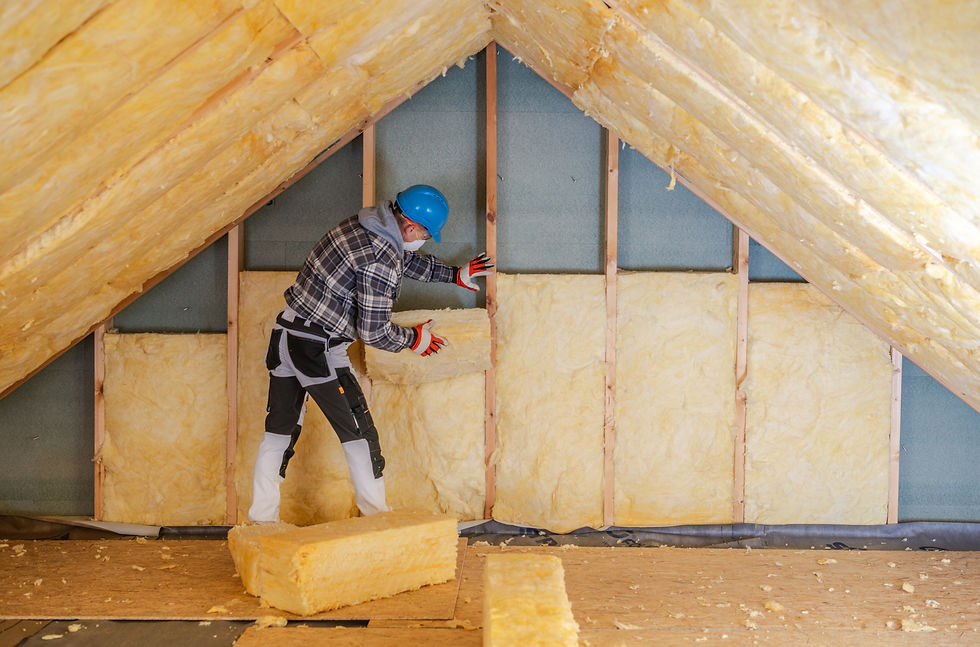
Blown-in insulation is one of the most cost-effective ways to improve a home's energy performance.
Installed using specialized equipment, loose-fill insulation is blown into attic spaces where it settles around wiring, framing, and other obstacles, creating consistent coverage that would be difficult to achieve with traditional batt insulation.
For homeowners throughout the White Mountains and Southern Utah, adding blown-in attic insulation is often one of the quickest ways to improve comfort while reducing strain on the HVAC system.
Advantages
✔ Excellent attic coverage
✔ Great for retrofit projects
✔ Fast installation
✔ Cost-effective
✔ Works well around obstacles
✔ Can often be added over existing insulation
Considerations
Doesn't air seal like spray foam
Best suited primarily for attics
May settle slightly over many years
See our service page: Blown-In Insulation
Batt Insulation
Best For:
New construction
Remodeling
Interior walls
Open framing
Budget-conscious projects
Batt insulation has been used successfully in residential construction for decades.
Made from fiberglass, batts are manufactured in pre-cut sections designed to fit between framing members.
Because they're installed before drywall, batt insulation remains one of the most common insulation products used during new home construction.
Advantages
✔ Affordable
✔ Proven performance
✔ Easy to install in open framing
✔ Widely available
✔ Excellent for walls
Considerations
Performance depends heavily on proper installation
Doesn't seal air leaks
Gaps or compression reduce effectiveness
While batt insulation remains an excellent option, it's most effective when installed carefully without gaps, compression, or voids.
See our service page: Batt Insulation
Side-by-Side Comparison
Feature | Spray Foam | Blown-In | Batt |
Air Sealing | Excellent | Minimal | Minimal |
Energy Efficiency | Excellent | Very Good | Good |
Best Location | Crawl spaces, walls, shops | Attics | Walls & ceilings |
New Construction | Excellent | Good | Excellent |
Existing Homes | Excellent | Excellent | Limited |
Installation Speed | Moderate | Fast | Fast |
DIY Friendly | No | Possible | Possible |
Moisture Resistance | Excellent | Good | Good |
Initial Cost | Higher | Moderate | Lower |
Long-Term Performance | Excellent | Excellent | Excellent when installed properly |
Which Insulation Is Best for Different Projects?
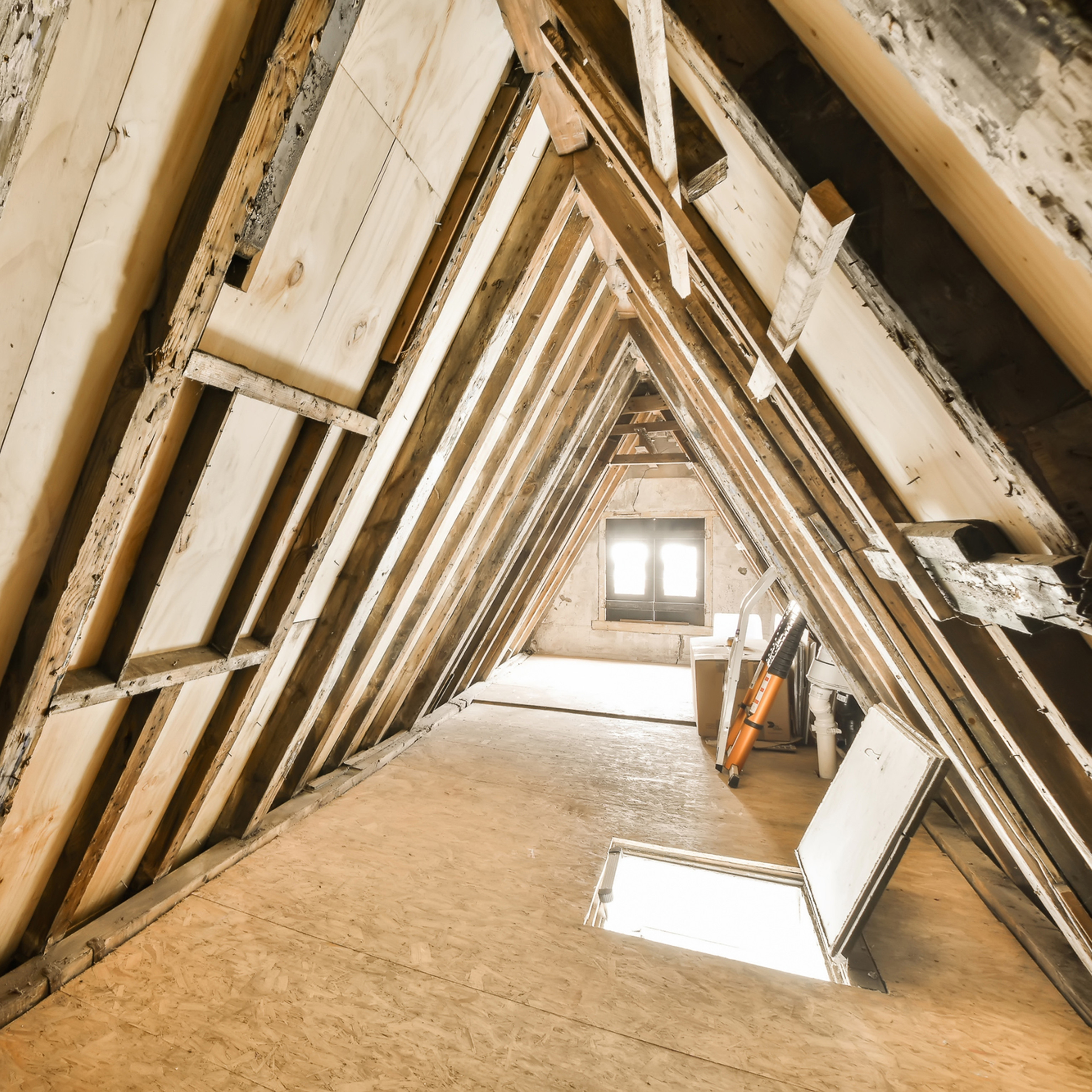
Existing Home with a Hot Attic
Recommended:
Blown-In Insulation
Many homes in Arizona lose significant energy through the attic. Adding blown-in insulation is often one of the highest-value improvements homeowners can make.
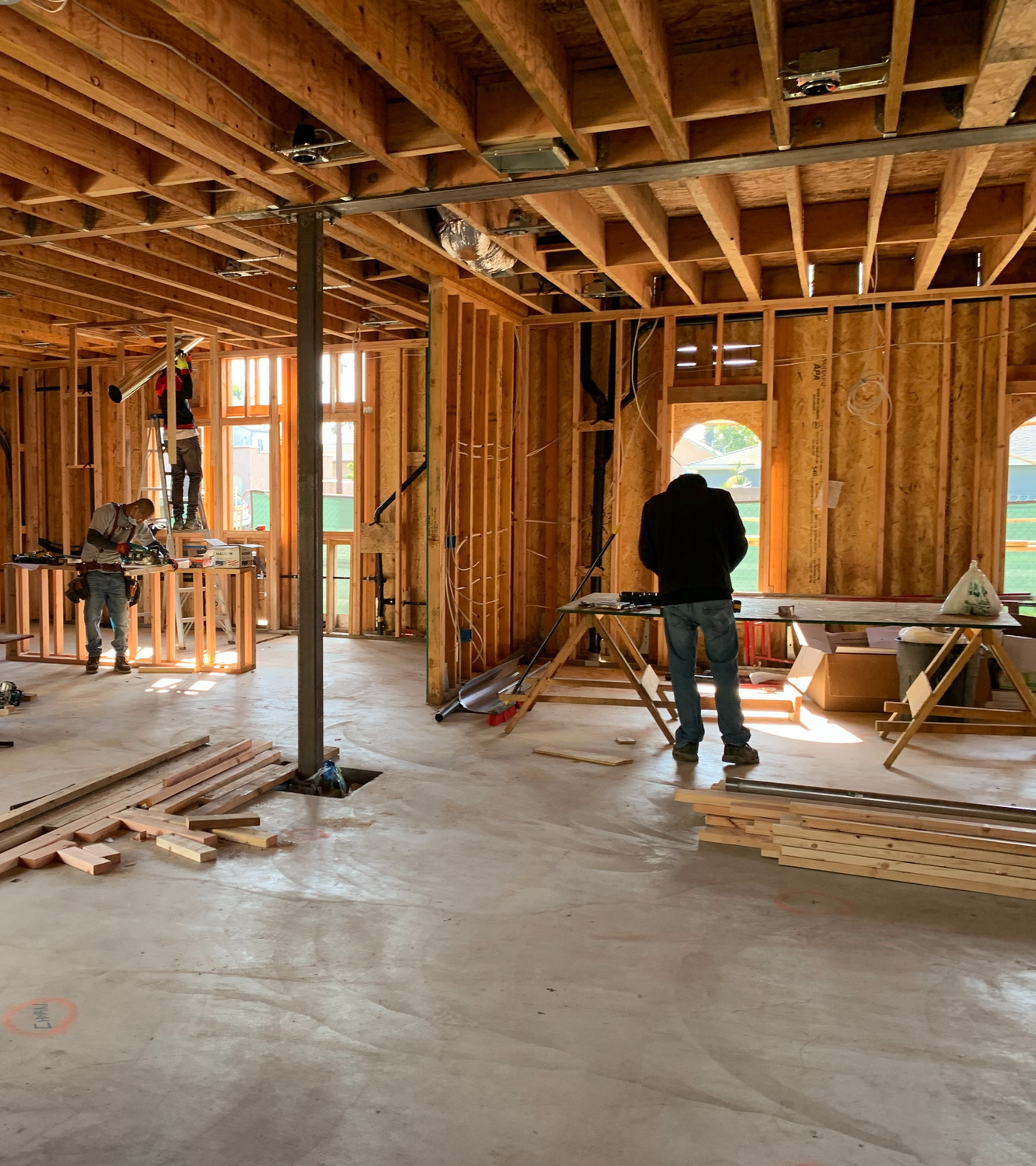
New Custom Home
Recommended:
Combination System
Many high-performance homes combine batt insulation or spray foam in walls with blown-in insulation in attics. The "best" solution often uses multiple insulation products together.
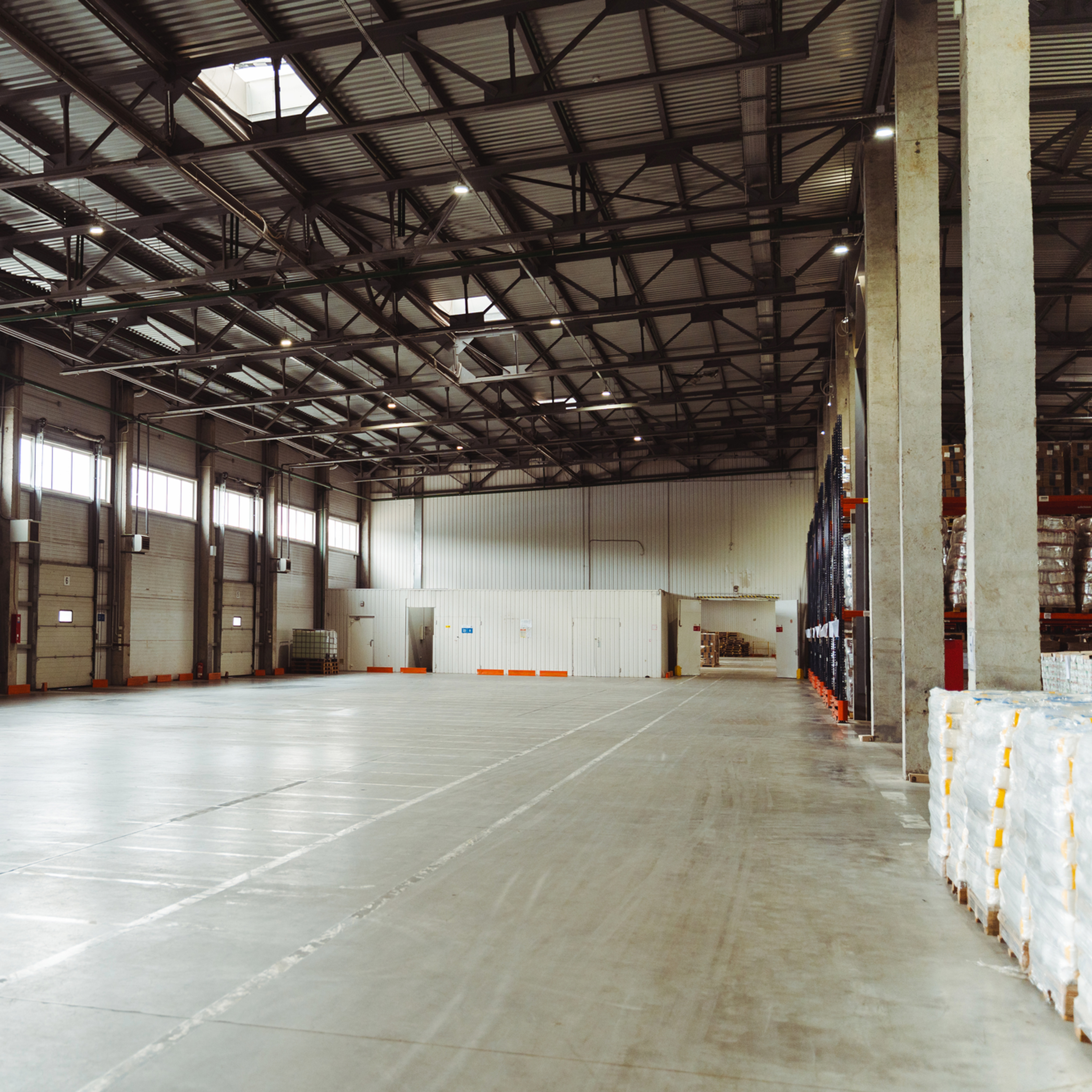
Pole Barn or Metal Building
Recommended:
Spray Foam
Metal buildings present unique moisture and condensation challenges. Spray foam helps insulate while reducing condensation and air leakage.
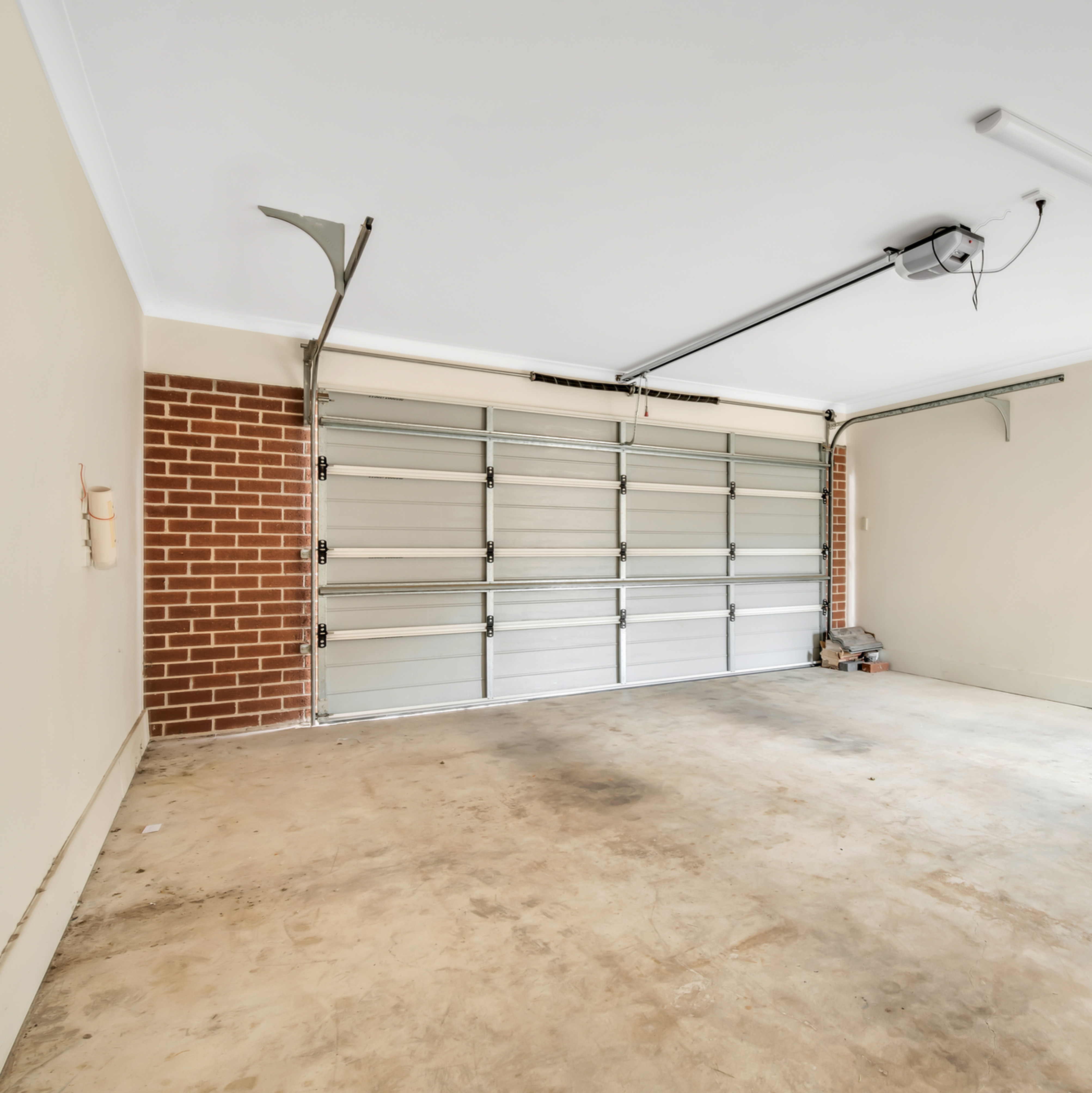
Garage or Workshop
Recommended:
Spray foam or batt insulation
Insulation recommendation depends on construction type and desired performance.
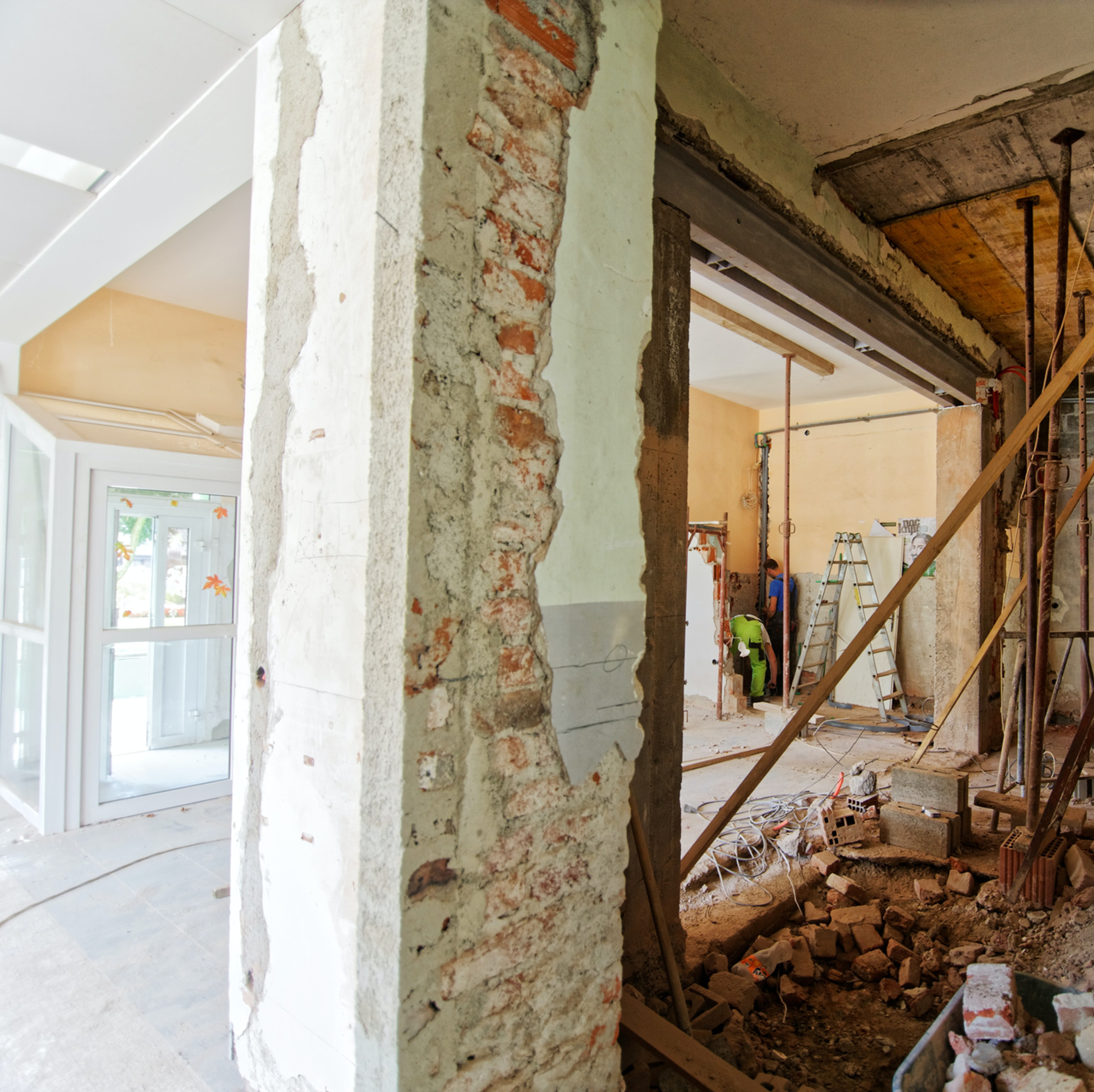
Remodeling a Home
Recommended:
Open walls may be ideal for batt insulation, while attic improvements often benefit from blown-in insulation
The right solution depends on what's accessible.
Which Is the Most Energy Efficient?
If energy efficiency is your primary goal, spray foam generally offers the highest overall performance because it combines insulation with air sealing. However, that doesn't automatically make it the right answer for every project.
For many homeowners, adding blown-in attic insulation provides an excellent return on investment.
For new construction, batt insulation continues to be an economical and effective solution when installed properly.
The best insulation is the one that's appropriate for your home's design and installed correctly.
What About Arizona & Utah?
Climate plays a major role in choosing insulation.
Northern Arizona
Communities like Taylor, Snowflake, Show Low, Pinetop-Lakeside, and Heber experience cold winters, warm summers, and significant temperature swings. Homes often benefit from a combination of well-insulated walls and attics to maintain comfort throughout the year.
Southern Utah
In Hurricane, St. George, and surrounding areas, long, hot summers make attic performance especially important. Proper insulation helps reduce heat transfer from the attic into the living space, allowing cooling systems to operate more efficiently.
Because every home is different, the right insulation strategy should consider your climate, construction type, and long-term goals.
Frequently Asked Questions
Which insulation lasts the longest?
All three insulation types can provide decades of performance when properly installed and protected from moisture or physical damage.
Is spray foam worth the additional investment?
For many applications, yes. Its ability to insulate and air seal makes it one of the highest-performing insulation products available. However, every project is different, and some homes achieve excellent results with blown-in or batt insulation.
Can different insulation types be used together?
Absolutely. Many of the most energy-efficient homes combine multiple insulation products. For example:
Spray foam in crawl spaces
Batt insulation in walls
Blown-in insulation in attics
This allows each product to perform where it works best.
Can I install insulation myself?
Some homeowners successfully install batt or blown-in insulation themselves, especially in accessible attic spaces. Fox Insulation offers insulation blower rentals and insulation vacuum rentals for DIY projects.
Still Not Sure Which Insulation Is Right for You?
The good news is that you don't have to figure it out on your own.
Choosing insulation isn't about finding a "one-size-fits-all" solution—it's about understanding your home's unique needs, your budget, and your long-term goals. A home in Show Low has different insulation demands than a home in St. George, just as a new custom build requires a different approach than upgrading a 30-year-old attic.
At Fox Insulation, we help homeowners, builders, and contractors across Arizona and Utah find the right insulation for their specific project. Because we install spray foam, blown-in, and batt insulation, our recommendations are based on what will perform best—not on steering you toward a single product.
Whether you're building from the ground up, improving your home's energy efficiency, or planning a renovation, our team is here to answer your questions and help you make a confident decision.
Ready to get started? Contact Fox Insulation today for a free estimate or to discuss the best insulation solution for your home or building.

Cody Zoellner
General Manager
Fox Insulation
About the Author
Cody Zoellner is the General Manager of Fox Insulation, where he works closely with homeowners, builders, and contractors throughout Arizona and Utah to deliver insulation solutions that improve comfort, energy efficiency, and long-term building performance. With years of hands-on experience in residential and commercial insulation, Cody has helped oversee projects ranging from custom homes and production builds to shops, pole barns, and retrofit insulation upgrades.
As a lifelong advocate for doing the job right, Cody enjoys helping homeowners understand their options so they can make informed decisions—not just sales-driven ones. Through the Fox Insulation Learning Center, he shares practical advice, answers common insulation questions, and provides guidance tailored to the unique climates of Northern Arizona and Southern Utah.
When he's not helping customers or supporting the Fox team, Cody enjoys spending time with his family and serving the communities Fox Insulation proudly calls home.
Comments