
10 Signs Your Home Isn't Properly Insulated (And What It's Costing You)
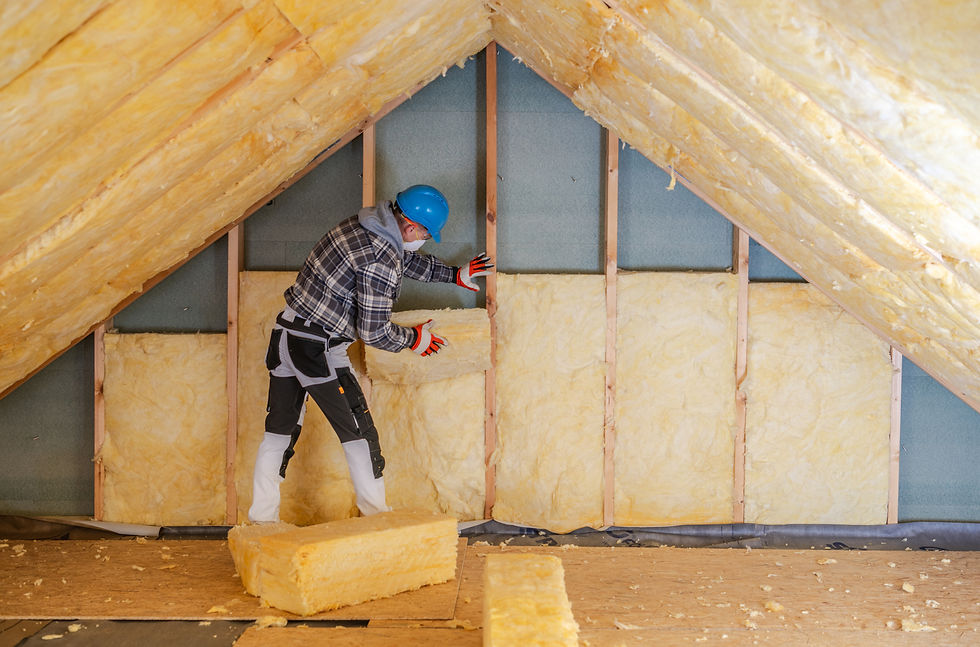
You don't have to see your insulation for it to affect your home every single day.
Many homeowners live with uncomfortable rooms, high energy bills, and HVAC systems that seem to run constantly without realizing that poor insulation could be the underlying cause. Because insulation is hidden behind walls and above ceilings, it's easy to overlook until the symptoms become impossible to ignore.
Whether your home is decades old or relatively new, insulation can settle, become damaged, or simply no longer meet today's energy efficiency standards.
In Arizona and Utah, where homes experience everything from triple-digit summer temperatures to freezing winter nights, proper insulation plays a much bigger role than many people realize.
If you've noticed any of the following issues, your home may be trying to tell you something.
Table of Contents
Why Insulation Matters More Than You Think
Your home's insulation works quietly in the background every day. Its job is simple: slow the movement of heat.
During Arizona's hot summers, insulation helps keep outdoor heat from entering your home. During cold White Mountain winters or chilly Utah nights, it helps keep heated air inside where it belongs.
When insulation isn't performing properly, your HVAC system has to work harder to compensate. The result?
Higher utility bills
Less comfort
More wear on your heating and cooling equipment
Rooms that never seem to feel "just right"
Fortunately, your home usually gives you clues before the problem becomes severe.
1. Your Energy Bills Keep Going Up
One of the biggest warning signs of inadequate insulation is increasing heating and cooling costs. While utility rates fluctuate, consistently high energy bills often indicate your home is losing conditioned air faster than it should.
If your air conditioner runs all afternoon just to maintain temperature during a St. George summer—or your furnace struggles during a snowy week in Show Low—it may not be the HVAC system that's at fault. It could simply be working overtime because your insulation isn't doing its job.
2. One Room Is Always Hotter (or Colder) Than the Others
Does your upstairs always feel warmer? Is the bonus room above the garage impossible to keep comfortable? Temperature differences between rooms often point to insulation gaps.
Common trouble spots include:
Attics
Exterior walls
Garage ceilings
Vaulted ceilings
Rooms above garages
This is especially common in older homes throughout Northern Arizona and homes built before today's energy codes.
3. Your HVAC System Runs Constantly
If your furnace or air conditioner rarely shuts off, your equipment may not necessarily be undersized. Instead, your home could simply be losing heated or cooled air faster than your HVAC system can replace it.
Proper insulation helps your home hold its temperature longer, allowing your system to cycle normally instead of running almost continuously. That means less strain on your equipment and potentially a longer service life.
4. Your Attic Feels Like an Oven
This one surprises many homeowners. During the summer, attic temperatures in Arizona and Southern Utah can exceed 140°F. Without enough attic insulation, that heat radiates into the rooms below, making your home harder—and more expensive—to cool.
Because heat rises and collects at the top of your home, the attic is often the first place insulation improvements deliver noticeable results. If your upstairs is consistently warmer than your downstairs, your attic is a great place to start.
5. Your Floors Feel Cold During Winter
In communities like Taylor, Snowflake, Pinetop-Lakeside, and Show Low, winter temperatures regularly dip below freezing overnight.
If your floors always feel cold—even when the heat is running—it could indicate inadequate insulation beneath the floor or in the crawl space. This is especially common in older homes with vented crawl spaces. Adding insulation in these areas can improve comfort while helping your heating system operate more efficiently.
6. You Feel Drafts Around Your Home
Drafts aren't always caused by windows or doors.
Air leaks often occur around:
Attic access panels
Recessed lighting
Plumbing penetrations
Electrical openings
Rim joists
Wall penetrations
When combined with poor insulation, these small leaks allow conditioned air to escape while letting outdoor air enter your home. Spray foam insulation is particularly effective in areas where air sealing is just as important as insulation.
7. Your Home Is Dustier Than It Should Be
If it seems like you're constantly dusting your furniture, your insulation could be part of the problem. Air leaks allow outside air—and the dust, pollen, and debris it carries—to enter your home. Improving insulation while sealing air leaks can help reduce airborne dust while improving indoor comfort.
For families dealing with seasonal allergies in Arizona or Utah, this can be an added benefit beyond energy savings.
8. Your Insulation Is Old, Settled, or Damaged
Not all insulation lasts forever. Over time, blown-in insulation can settle, reducing its effectiveness.
Other issues include:
Water damage
Rodent contamination
Mold
Compression
Missing sections
Improper installation
If your insulation has been in place for decades, it's worth having it evaluated. In some cases, additional insulation is all that's needed.
In others, insulation removal and replacement may provide better long-term performance.
9. You Hear More Outside Noise Than You Used To
While insulation isn't designed specifically for soundproofing, it does help reduce noise transfer.
If traffic, neighbors, or outdoor activities seem louder than expected, adding insulation—especially within walls or attic spaces—may help create a quieter indoor environment. This benefit is especially appreciated in growing communities where new neighborhoods and traffic continue to expand.
10. Your Home Never Feels Truly Comfortable
Perhaps the biggest sign of all is one that's difficult to measure.
Maybe your thermostat says 72°, but the house doesn't feel like it. Some rooms are too warm. Others are too cold. The HVAC seems to be working. Yet something still feels off.
Comfort is often the result of many systems working together—and insulation is one of the biggest pieces of that puzzle. A properly insulated home doesn't just save energy. It simply feels better to live in.
Can These Problems Be Fixed?
In many cases, yes. The right solution depends on your home's construction, age, and current insulation levels.
Some homes benefit from:
Adding blown-in attic insulation
Air sealing problem areas
Installing spray foam in key locations
Replacing damaged insulation
Removing contaminated insulation before reinstalling new material
The best approach starts with understanding where your home is losing energy.
Should You Replace Your Insulation or Add More?
This is one of the most common questions homeowners ask. The answer depends on the condition of your existing insulation.
Additional insulation may be enough if:
Existing insulation is dry
It's free of pests
It's relatively clean
It hasn't settled significantly
Replacement may be recommended if:
There's mold
Water damage
Rodent contamination
Smoke damage
Significant deterioration
Fox Insulation offers both professional insulation removal and insulation vacuum rentals for homeowners who prefer a DIY approach before installing new insulation.
Frequently Asked Questions
How do I know if my attic has enough insulation?
A professional inspection is the most reliable way to determine whether your attic meets recommended insulation levels. Visible ceiling joists or low, uneven insulation are common signs that additional insulation may be beneficial.
Will adding insulation lower my energy bills?
While every home is different, improving insulation often helps reduce heating and cooling costs by slowing heat transfer and reducing the workload on your HVAC system.
Is spray foam better than blown-in insulation?
Each serves different purposes. Spray foam excels at air sealing and insulating difficult spaces, while blown-in insulation is an excellent solution for many attic applications.
Can insulation really make my home more comfortable?
Absolutely. One of the biggest improvements homeowners notice isn't necessarily lower utility bills—it's that their home maintains a more consistent temperature throughout the day.
Don't Ignore the Warning Signs
Your home doesn't have to be uncomfortable. Whether you're dealing with high energy bills, hot upstairs bedrooms, drafty rooms, or simply wondering if your insulation is performing as it should, identifying the problem early can help you make informed decisions about your home.
At Fox Insulation, we've helped homeowners across Northern Arizona and Southern Utah improve comfort, increase energy efficiency, and get more out of their heating and cooling systems. We understand the unique demands of our region—from the cool mountain climate of the White Mountains to the intense summer heat of St. George and Hurricane—and we recommend insulation solutions based on your home's specific needs, not a one-size-fits-all approach.
If you're experiencing several of the signs covered in this guide, we're here to help. Whether you need blown-in insulation, spray foam, batt insulation, insulation removal, or simply honest advice about your options, our team is ready to answer your questions.
Ready to make your home more comfortable? Contact Fox Insulation today for a free estimate and expert guidance.

Cody Zoellner
General Manager
Fox Insulation
About the Author
Cody Zoellner is the General Manager of Fox Insulation, where he works closely with homeowners, builders, and contractors throughout Arizona and Utah to deliver insulation solutions that improve comfort, energy efficiency, and long-term building performance. With years of hands-on experience in residential and commercial insulation, Cody has helped oversee projects ranging from custom homes and production builds to shops, pole barns, and retrofit insulation upgrades.
As a lifelong advocate for doing the job right, Cody enjoys helping homeowners understand their options so they can make informed decisions—not just sales-driven ones. Through the Fox Insulation Learning Center, he shares practical advice, answers common insulation questions, and provides guidance tailored to the unique climates of Northern Arizona and Southern Utah.
When he's not helping customers or supporting the Fox team, Cody enjoys spending time with his family and serving the communities Fox Insulation proudly calls home.

Comments